One of the most common questions people ask when considering a vegan or vegetarian lifestyle is:
“Where do you get your protein?”
For decades, protein has been strongly associated with meat, eggs, and dairy products. This perception has led many people to believe that plant-based diets lack sufficient protein.
However, modern nutrition science shows that well-planned vegan and vegetarian diets can easily provide enough protein for optimal health. In fact, many plant foods contain high amounts of protein along with fiber, vitamins, and antioxidants that support long-term wellness.
According to the Australian National Health and Medical Research Council (NHMRC), a balanced vegetarian diet can meet all nutritional requirements across different life stages when properly planned.
Source: https://www.nhmrc.gov.au
In this article, we’ll explore and debunk some of the most common plant-based protein myths while understanding how plant foods can support a healthy lifestyle.
Why Protein Is Important for the Body
Protein plays a vital role in maintaining overall health. It is responsible for:
• building and repairing body tissues
• supporting muscle growth and recovery
• producing enzymes and hormones
• strengthening immune function
According to Harvard T.H. Chan School of Public Health, adults typically require around 0.8 grams of protein per kilogram of body weight per day, although active individuals may need slightly more.
Source: https://www.hsph.harvard.edu/nutritionsource/what-should-you-eat/protein/
The key takeaway is that protein can come from many different food sources - including plants.
Myth 1: Plant-Based Diets Don’t Provide Enough Protein
One of the most persistent myths is that vegan diets cannot supply adequate protein.
In reality, many plant foods are excellent protein sources.
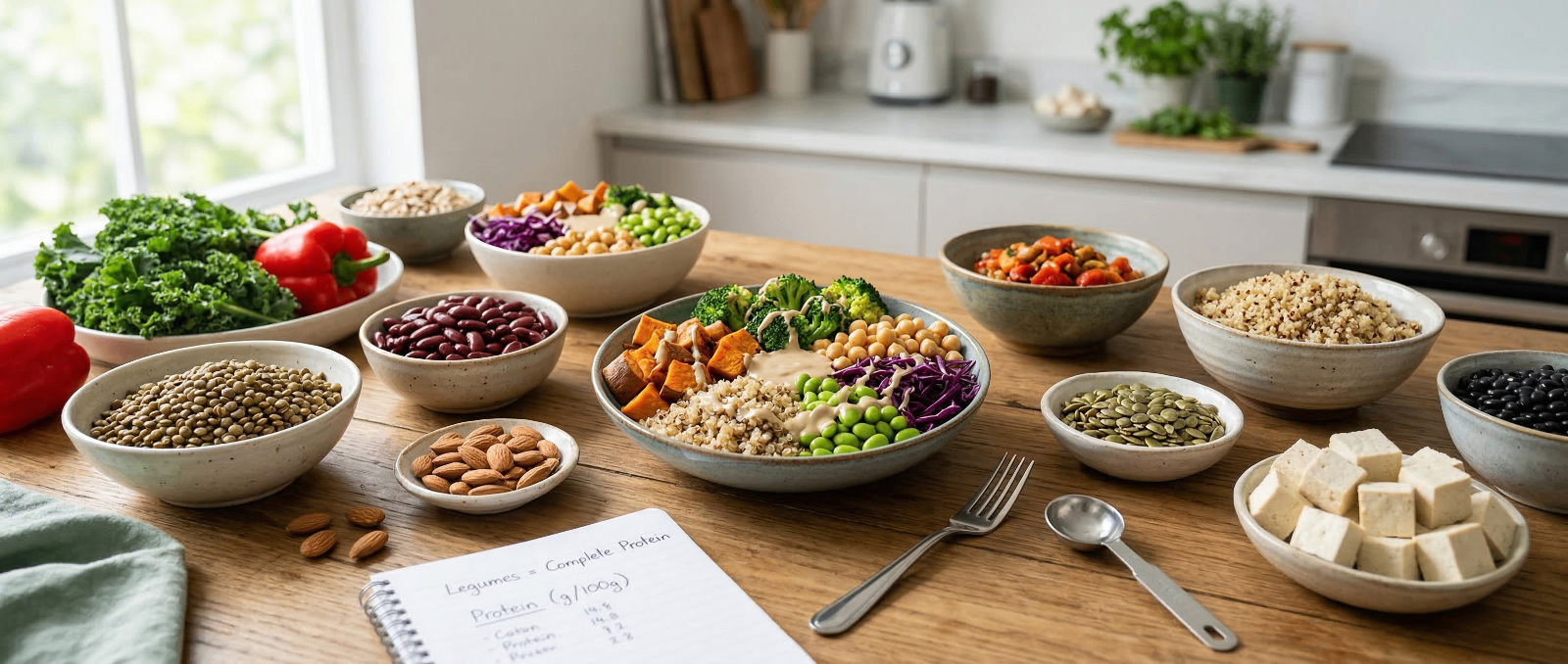
Examples include:
• Lentils: around 18g of protein per cooked cup
• Chickpeas: around 15g per cooked cup
• Tofu: around 10g per 100g serving
• Quinoa: around 8g per cooked cup
Research cited by Dietitians Australia confirms that vegetarian diets can provide all necessary nutrients, including protein, when they include a variety of plant foods.
Source: https://dietitiansaustralia.org.au
The important factor is diet diversity, not the presence of animal products.
Myth 2: You Need Meat to Build Muscle
Many people believe muscle growth requires animal protein.
However, studies show that muscle development depends on total protein intake and resistance training, not the source of protein.
According to Harvard Health Publishing, plant-based proteins can effectively support muscle repair and growth when consumed in adequate quantities.
Source: https://www.health.harvard.edu
Plant-based athletes often rely on foods such as:
• tofu
• lentils
• chickpeas
• black beans
• tempeh
• quinoa
These foods provide essential amino acids required for muscle recovery and performance.
In addition, plant-based diets tend to contain higher antioxidant levels, which may help reduce inflammation after exercise.
Myth 3: Plant Proteins Are “Incomplete”
Another outdated belief is that plant proteins are incomplete and must always be combined carefully to create “complete proteins.”
While some plant foods contain lower amounts of certain amino acids, modern research confirms that eating a variety of plant foods throughout the day naturally provides all essential amino acids.
According to NHS UK, protein combining at every meal is unnecessary as long as the diet includes diverse plant foods.
Source: https://www.nhs.uk/live-well/eat-well/the-vegan-diet/
For example:
• rice and beans together form a balanced amino acid profile
• hummus paired with whole grain bread provides complementary nutrients
• lentils served with grains create complete protein coverage
Over the course of a day, these foods collectively supply the body with everything it needs.
Myth 4: Vegan Diets Are Low in Protein Variety
Another misconception is that vegan diets consist mostly of salads or vegetables.
In reality, plant-based diets include a wide variety of protein-rich foods such as:
• lentils
• chickpeas
• black beans
• tofu
• tempeh
• edamame
• quinoa
• nuts and seeds
These ingredients are used in cuisines across the world, including Mediterranean, Middle Eastern, Indian, and Asian dishes.
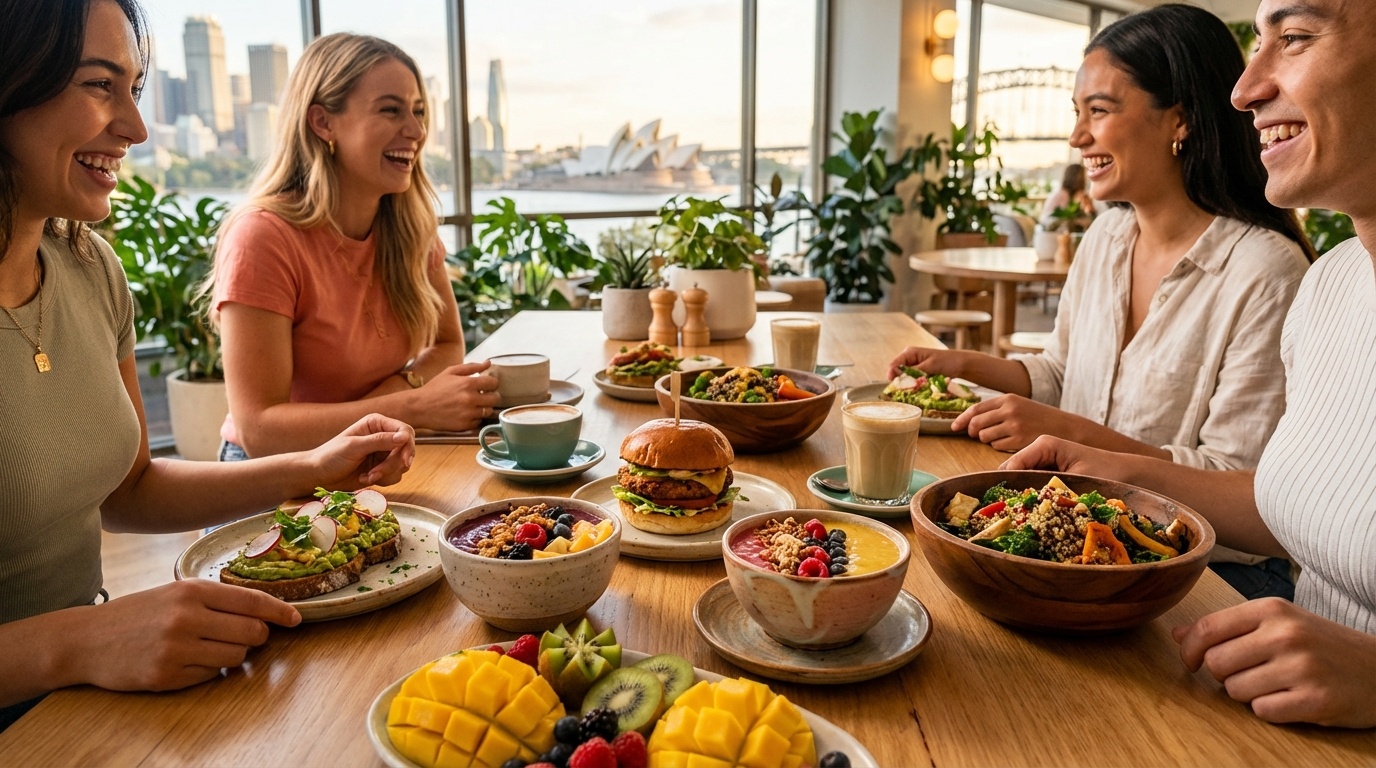
Today’s vegan cafés and vegetarian restaurants often showcase creative ways to incorporate these ingredients into flavorful meals.
Myth 5: Vegan Diets Lead to Protein Deficiency
Protein deficiency is extremely rare in individuals who consume adequate calories and maintain a balanced diet.
According to The British Nutrition Foundation, protein deficiency is typically associated with severe malnutrition rather than plant-based diets.
Source: https://www.nutrition.org.uk
In countries with diverse food access, vegan and vegetarian diets can easily provide sufficient protein through everyday meals.
For example:
Breakfast
Oatmeal with almond butter and chia seeds
Lunch
Quinoa salad with chickpeas, roasted vegetables, and tahini dressing
Snack
Mixed nuts with fruit
Dinner
Lentil curry with brown rice
This type of meal pattern can easily meet daily protein requirements while also providing fiber and micronutrients.
The Health Advantages of Plant-Based Protein
Plant-based proteins provide additional health benefits beyond protein intake alone.
Higher Fiber Intake
Plant foods contain dietary fiber, which supports digestion and gut health.
According to Harvard Nutrition Source, fiber also helps regulate blood sugar levels and maintain healthy cholesterol levels.
Lower Saturated Fat
Many plant-based proteins contain lower levels of saturated fat compared with red and processed meats.
Lower saturated fat intake is associated with improved heart health and reduced risk of cardiovascular disease.
Rich in Vitamins and Minerals
Plant proteins also provide important micronutrients such as:
• magnesium
• potassium
• folate
• iron
These nutrients support energy production, immune function, and overall health.
Best Plant-Based Protein Foods to Include in Your Diet
If you’re exploring vegan or vegetarian eating, these foods can help you meet your protein needs.
Legumes
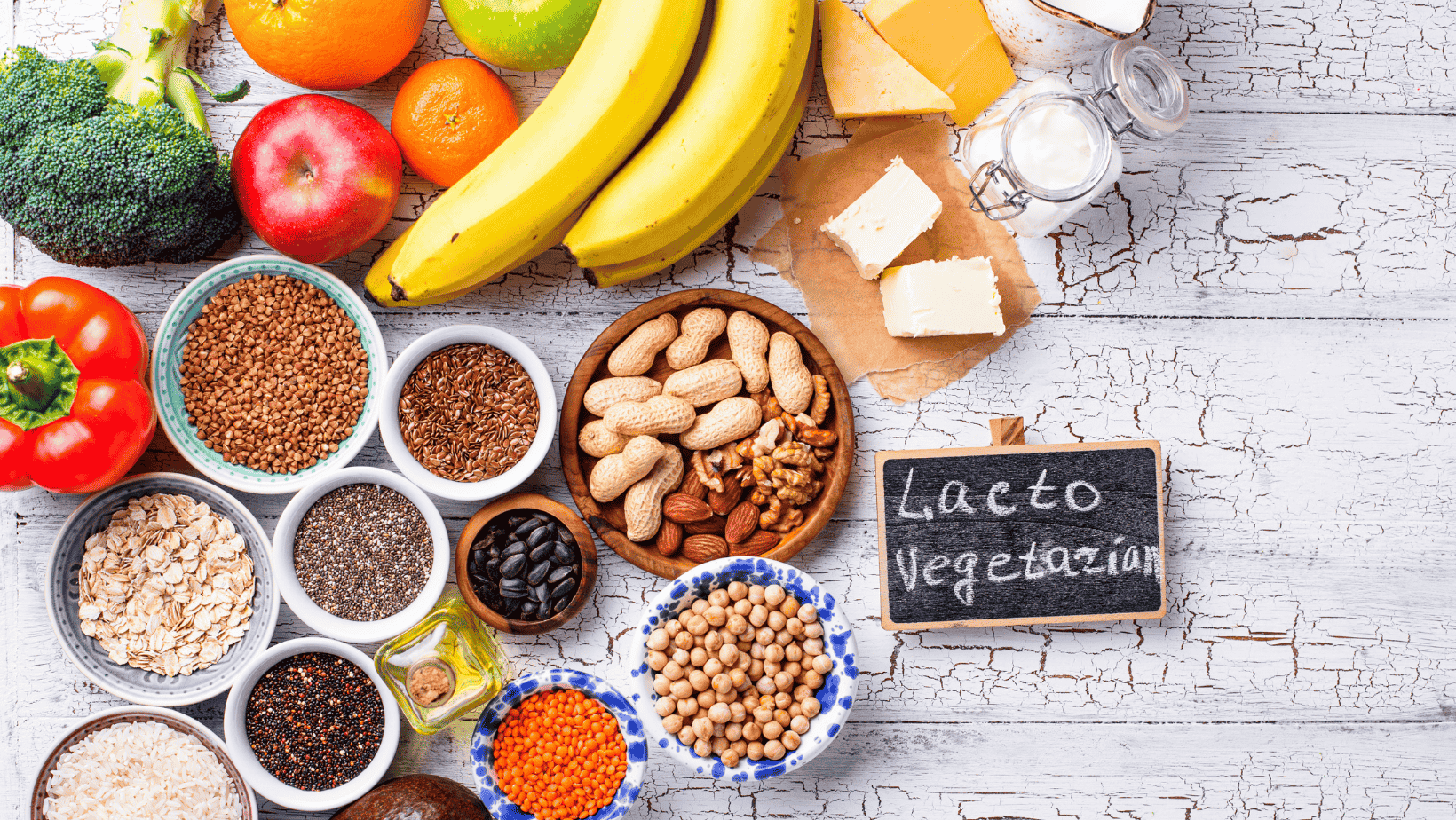
Lentils, chickpeas, kidney beans, and black beans are some of the most protein-rich plant foods.
Soy Products
Tofu, tempeh, and edamame provide high-quality plant protein and are widely used in plant-based cooking.
Whole Grains
Quinoa, oats, and brown rice provide moderate amounts of protein along with energy and fiber.
Nuts and Seeds
Almonds, peanuts, chia seeds, hemp seeds, and pumpkin seeds provide both protein and healthy fats.
Plant-Based Dairy Alternatives
Many plant milks and yogurts are fortified with protein and essential nutrients.
Exploring Plant-Based Food Outside the Home
One of the easiest ways to experience plant-based eating is by visiting vegan cafés and vegetarian restaurants.
Modern plant-based restaurants have reimagined traditional dishes using ingredients like lentils, beans, tofu, and grains to create satisfying and nutritious meals.
From protein-rich grain bowls and vegan burgers to tofu stir-fries and plant-based curries, these meals demonstrate how diverse and delicious vegan cuisine can be.
For many people, dining at vegan cafés becomes an enjoyable way to explore plant-based foods and discover new flavours.
The Bottom Line
The belief that plant-based diets lack protein is one of the most persistent myths in nutrition.
Scientific research from credible institutions including Harvard, NHS, and Dietitians Australia shows that balanced plant-based diets can provide sufficient protein while also delivering fiber, antioxidants, and essential micronutrients.
Instead of focusing solely on protein quantity, the true strength of plant-based diets lies in their overall nutritional profile.
For many people, exploring plant-based eating becomes less about restriction and more about discovering healthier, more sustainable food choices.
Discover Plant-Based Restaurants and Recipes on VegSpoons
If you’re exploring vegan or vegetarian eating, discovering new plant-based meals can make the journey exciting.
VegSpoons is a platform designed to help people explore vegan cafés, vegetarian restaurants, and plant-based food businesses across Australia while also sharing plant-based recipes and food inspiration.
Whether you want to find your next vegan café, explore vegetarian dining experiences, or try new plant-based recipes at home, VegSpoons makes discovering plant-based food easier.
Explore more at
https://vegspoons.com.au